For Pharmacies across Germany

Your customers already pay for blood tests somewhere else, why not in your pharmacy?

The Apothekenreform, passed as the ApoVWG, allows a pharmacy to offer the venöse Blutentnahme as a Selbstzahlerleistung, which is a service the customer pays for directly. Aniva runs the accredited laboratory, the courier logistics and the finished report, so the only step that happens in your pharmacy is the blood draw itself.

Book a demo

The call takes 15 minutes, it happens online, and it commits you to nothing.

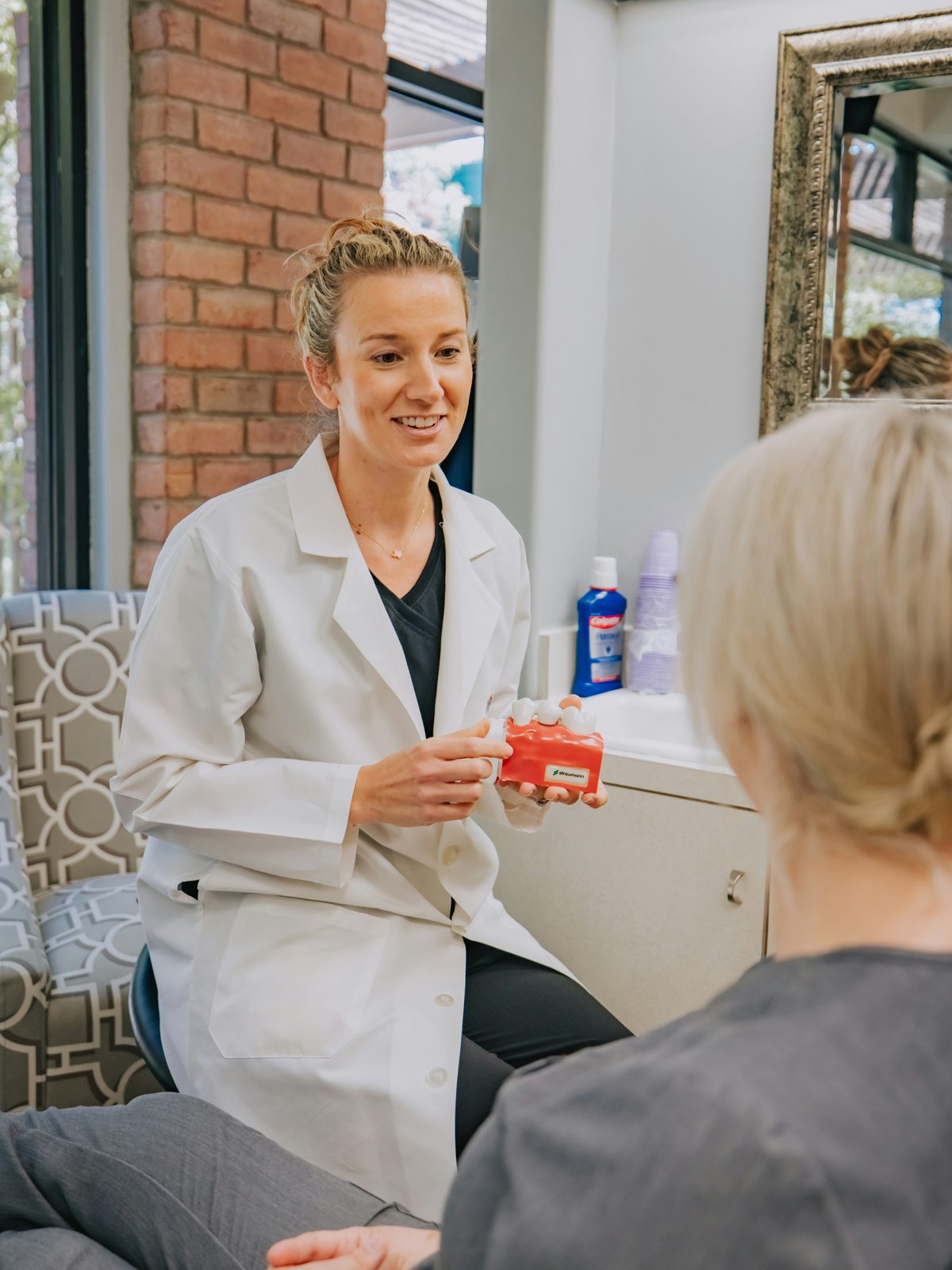
A pharmacist in a white coat talks with a customer in a bright pharmacy consultation corner.
This is what happens on the call

Aniva shows the workflow from the appointment to the finished report, using the platform your team would work in.

You get the fee for each blood draw and a realistic number of appointments for a pharmacy of your size.

We go through the room, the ärztliche Schulung and the notification your Landesapothekerkammer expects.

You pick a time in the calendar and receive a confirmation by email. Nothing is ordered and nothing is signed on the call.

Aniva organises everything around the blood draw

The tubes, the centrifuge, the courier and the accredited laboratory all come from Aniva, and the finished report comes back into one platform. There is no laboratory contract for your pharmacy to sign and no logistics for you to build.

Your pharmacy is paid for each blood draw

There is no purchasing, no stock and no billing risk, because your pharmacy is paid for a service rather than for a product it had to buy in first. The fee for each blood draw is fixed and agreed with you beforehand.

One appointment block a week is enough to start

A starter kit, a training checklist and a named contact person are part of the start, and there is no minimum order quantity. Many pharmacies try the workflow on their own team first, before they offer it at the counter.

This is how many blood tests you may expect

One appointment a day across 25 working days adds up to about 25 blood draws in a month and you can do more.

Online test kits and self-pay tests at doctors' practices have grown for years, but these take revenue away from your pharmacy as customers do not follow up with you. Aniva brings it into yourpharmacy.

This is an illustration and not a promised result. The fee for each blood draw and a realistic number of appointments for your pharmacy are worked out together in the demo.

The law is precise about who may draw blood

This is the point trade coverage most often gets wrong, so here it is as § 11c Apothekengesetz sets it out.

Approbierte Apotheker
May draw blood

A licensed pharmacist may carry out the venöse Blutentnahme after a completed ärztliche Schulung, which is the medical training the law requires, and only for their own öffentliche Apotheke and only for people who are 18 or older.

Pharmazeut im Praktikum
May carry out the puncture under supervision

A pharmacist in practical training may carry out the puncture under supervision, after their own ärztliche Schulung. Aufklärung, Anamnese and the patient's consent may never be delegated.

Pharmazeutisch-technische Assistentin
May not draw blood

A PTA may not draw blood, and may support preparation and documentation. Vaccination is a separate rule under § 20c Infektionsschutzgesetz, and conflating the two is the most common error in coverage of the reform.

This is how a pharmacy starts

Three steps, and the first one is a conversation rather than a commitment.

1
The demo takes 15-30 minutes

Aniva goes through the workflow, the platform where appointments and results are available on, and the terms for your pharmacy.

2
The pilot starts small

There is no minimum order quantity, so your pharmacy can order a handful of kits, and most partners begin by testing the workflow on their own team.

3
The service becomes part of the pharmacy

Appointments run through your own booking page, results arrive in the Aniva platform, and your pharmacy widens the service once it works.

The questions pharmacies ask us first

These are the questions that came up in our July webinar with pharmacy owners, answered as directly as we can.

How much time does a blood draw take in practice

The blood draw itself takes a few minutes. Most pharmacies run it as an appointment block rather than as walk-in traffic, and one block of about two hours a week is a normal starting point. A pharmacy that cannot free those few minutes is honestly not a good fit for this, and we would rather say so in the demo than afterwards.

What does the pharmacy have to buy first

There is no acquisition cost and no minimum order quantity. The starter kit is part of the start, and Aniva supplies the centrifuge that the venöse Blutentnahme needs, because the sample is spun down in the pharmacy straight after the draw. A pharmacy can order a small number of kits to try the workflow before anything else is agreed.

How does the sample get to the laboratory

The sample is spun down, stored in the fridge, and the draw is confirmed in the Aniva platform, which notifies the courier automatically. Collection happens on the same day when the draw is confirmed at least two hours before closing, and otherwise within 24 hours. Nothing is sent by post, so summer heat and winter cold are not a problem. The laboratory result then appears in the Aniva platform, and the demo covers the current turnaround for the markers your pharmacy wants to offer.

What has to be in place before the first blood draw

A suitable room that is not used for anything else during the draw and that protects privacy, written Standardarbeitsanweisungen inside the quality management system under § 35b Apothekenbetriebsordnung, notification of the competent state authority at least one week beforehand, and a working relationship with an accredited laboratory for the analysis, which is the part Aniva brings.

Does this put the pharmacy in conflict with local doctors

The pharmacy is a feeder to the practice rather than a replacement for it, because the Befund stays with the physician and values outside the reference range go to the practice. Partner pharmacies send customers to their local practice with laboratory values already in hand, and the practical answer is to speak to those practices early rather than to wait for them to hear about it.

How is this different from the capillary tests already on the market

A capillary self test measures a small number of markers at a time, and it is quick, which is a real advantage for a single value. The venöse Blutentnahme takes one sample that a laboratory analyses for many markers at once, so it starts to make sense as soon as a customer wants more than about three values. Aniva supports both, so they sit next to each other rather than against each other.

Who is liable if something goes wrong

The ärztliche Schulung has to be completed before the first blood draw, the Befund stays with the physician, and the analysis stays in an accredited laboratory. Insurance cover is settled individually with your own insurer, and this is one of the points we go through with you in the demo rather than leaving it to a footnote.

There is more to read before you decide

We check every one of these against the primary text in the Bundesgesetzblatt, because most of what circulates about the reform is second hand.

The next step is a 15 minute call

The call is online and it commits you to nothing. Noah goes through the workflow for your pharmacy, the fee for each blood draw and what a first pilot would look like. Once you pick a time you get a confirmation by email, and nothing is ordered until you say so.

Book a demo

Aniva works with over 25 partner locations across Germany, every sample is analysed in an accredited laboratory, and all processing happens in Germany under the DSGVO, the European data protection regulation.

Preventive and diagnostic service. Not a medical diagnosis.

Book a demo